artificial intelligent (1) (1)

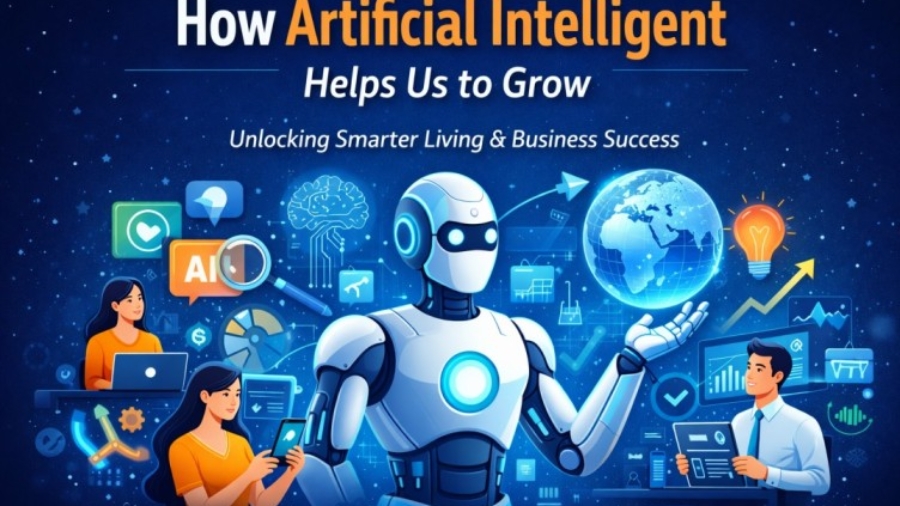
How Artificial Intelligent Help Us to Grow in Life & Business

Introduction: Growth Is No Longer Human-Only

A few years ago, growth depended heavily on hard work, experience, and trial-and-error. Today, growth depends on something else too — artificial intelligents.

Whether you realize it or not, artificial intelligents already influence how you learn, earn, decide, communicate, and scale. From recommending what you watch to helping businesses predict customer behavior, AI has quietly become a growth partner, not just a tool.

This article goes beyond surface-level hype. We’ll explore how artificial intelligents help us to grow — personally, professionally, and economically — with real insights, comparisons, and practical examples, not generic theory.


Artificial Intelligents vs Traditional Growth Methods

Before understanding how AI helps us grow, it’s important to compare it with older approaches.

Growth Without Artificial Intelligents

  • Decisions based on intuition
  • Manual data analysis
  • Slow experimentation cycles
  • High chances of human error
  • Limited scalability

Growth With Artificial Intelligents

  • Data-driven decision making
  • Real-time insights
  • Automated optimization
  • Predictive accuracy
  • Exponential scalability

📊 Comparison Table

AspectTraditional ApproachArtificial Intelligents
SpeedSlowReal-time
AccuracyExperience-basedData-driven
Cost EfficiencyHigh operational costOptimized spending
ScalabilityLimitedHighly scalable
PersonalizationGenericHyper-personalized

This shift explains why AI-driven companies grow faster than their competitors.


How Artificial Intelligents Help Us to Grow Personally

Growth isn’t only about money or business. Artificial intelligents deeply impact personal development.

1. Smarter Learning & Skill Development

AI-powered platforms analyze:

  • Your learning speed
  • Knowledge gaps
  • Preferred formats

Then they customize content just for you.

Examples include adaptive learning platforms, AI tutors, and personalized course recommendations. Instead of wasting time on irrelevant material, you learn only what moves you forward.

AI doesn’t make learning easy — it makes learning efficient.


2. Better Daily Decisions

From Google Maps suggesting faster routes to financial apps analyzing spending patterns, artificial intelligents reduce decision fatigue.

Small decisions compound over time:

  • Better time management
  • Healthier habits
  • Smarter financial choices

AI quietly improves micro-decisions, which ultimately drive macro growth.


How Artificial Intelligents Help Us to Grow in Business

This is where AI becomes a growth multiplier.

3. Data-Driven Decision Making

Businesses generate massive data — most of it unused.

Artificial intelligents:

  • Identify patterns humans miss
  • Predict future trends
  • Reduce guesswork

For example, AI-based analytics tools help marketers understand:

  • Which campaign will convert
  • Which audience will churn
  • Which product will perform

This turns data into direction.

🔗 External Reference:
Insights from McKinsey’s AI adoption reports show companies using AI in decision-making outperform peers significantly.


4. Marketing Growth Through Artificial Intelligents

Digital marketing has transformed because of AI.

AI helps with:

  • Audience targeting
  • Content personalization
  • Ad budget optimization
  • SEO keyword clustering
  • Conversion rate optimization

Instead of “broadcast marketing,” businesses now use precision marketing.

📊 AI in Marketing Table

Marketing AreaWithout AIWith Artificial Intelligents
Ads TargetingBroadHyper-targeted
ContentGenericPersonalized
SEOManual researchPredictive keywords
ROIUncertainMeasurable


AI doesn’t replace marketers — it removes inefficiency.


5. Automation That Scales Growth

Artificial intelligents automate repetitive work:

  • Customer support (chatbots)
  • Lead qualification
  • Email follow-ups
  • Inventory forecasting

This allows humans to focus on:

  • Strategy
  • Creativity
  • Innovation

Automation isn’t job destruction — it’s role evolution.


How Artificial Intelligents Help Us to Grow Economically

At a larger scale, AI influences national and global growth.

6. Job Creation, Not Just Job Loss

While AI replaces some roles, it also creates:

  • AI trainers
  • Prompt engineers
  • Data analysts
  • Automation consultants

Countries investing in artificial intelligents experience skill-based economic growth, not stagnation.

🔗 External Reference:
Reports from World Economic Forum highlight AI as a net job creator when combined with reskilling.


7. Supporting Small Businesses & Startups

Earlier, only large companies could afford:

  • Advanced analytics
  • Automation systems
  • Market research

Now, AI tools democratize growth.

A small business can:

  • Compete with large brands
  • Predict customer needs
  • Optimize pricing

Artificial intelligents level the playing field.


Ethical Growth: The Side Most People Ignore

Growth without responsibility is dangerous.

Artificial intelligents raise questions:

  • Data privacy
  • Bias in algorithms
  • Over-automation

True growth requires:

  • Transparent AI use
  • Human oversight
  • Ethical frameworks

Real growth is sustainable growth, not blind acceleration.


Key Takeaways: What Makes Artificial Intelligents a Growth Engine

✔ Accelerates learning
✔ Improves decision quality
✔ Reduces wasted effort
✔ Enables personalization at scale
✔ Transforms businesses and economies

Artificial intelligents don’t guarantee growth — how we use them does.


Conclusion: Growth Belongs to the AI-Augmented Human

Artificial intelligents are not here to replace humans. They are here to amplify human potential.

The people and businesses that grow fastest are not those who fear AI, but those who collaborate with it intelligently.

Growth in the AI era is not about working harder —
it’s about thinking smarter.
Website Desgining: The Strategic Foundation of a High-Performing Online Presence

Introduction: Why Website Designing Is No Longer Just About Looks

Your website is not your digital brochure anymore.
It’s your salesperson, brand ambassador, and first impression—working 24/7.

Yet, many businesses still treat website desgining as a purely visual task: colors, fonts, layouts. That mindset is costly.

Modern website desgining sits at the intersection of user psychology, business strategy, SEO, and technology. A well-designed website doesn’t just look good—it guides users, builds trust, and drives action.

In this guide, we’ll break down website desgining from a strategic, real-world perspective—not theory, not templates, but what actually works today.


What Is Website Desgining (Beyond the Dictionary Definition)?

At its core, website desgining is the process of planning, structuring, and creating a digital experience that helps users achieve a goal—while helping the business grow.

It includes:

  • Visual design (colors, typography, spacing)
  • UX/UI design (navigation, flow, usability)
  • Content structure (what users see, when, and why)
  • Performance & accessibility considerations
  • SEO-friendly architecture

👉 Good website desgining feels invisible.
Users don’t think about it—they simply move, read, click, and convert.


Website Desgining vs Website Development (A Critical Distinction)

Many people confuse desgining with development. They’re related—but not the same.

AspectWebsite DesginingWebsite Development
FocusUser experience & visualsFunctionality & logic
ToolsFigma, Adobe XD, CanvaHTML, CSS, JavaScript
GoalGuide & influence usersMake things work
SEO ImpactHigh (structure, UX)Medium (speed, code)

Insight:
A beautiful design with poor development fails.
A fast website with poor design also fails.

High-performing websites need both aligned strategically.


Why Website Desgining Directly Impacts Business Growth

From experience working with service businesses and local brands, one pattern is clear:

Most websites fail not because of traffic—but because of poor desgining decisions.

Here’s how website desgining influences results:

1. First Impressions (0–5 Seconds)

Users decide trust in seconds. Cluttered layouts, poor typography, or slow load times instantly push visitors away.

2. Conversion Rate

Strategic spacing, clear CTAs, and visual hierarchy can increase conversions without increasing traffic.

3. SEO Performance

Google rewards:

  • Mobile-friendly layouts
  • Clean structure
  • Fast load speed
    All are outcomes of good website desgining.

Core Principles of Effective Website Desgining

1. User-First, Not Brand-First

Design for how users think, not how you want to appear.

Ask:

  • What problem brought them here?
  • What do they need next?
  • What would confuse them?

2. Visual Hierarchy Matters More Than Colors

Users scan, not read.

Use:

  • Headings to guide attention
  • White space to reduce cognitive load
  • Contrast to highlight actions

3. Mobile-First Is Mandatory

Over 60% of traffic comes from mobile.
If your mobile layout is an afterthought, your website is already underperforming.


Key Elements of Modern Website Desgining

Navigation That Thinks for the User

  • Limit menu items (5–7 max)
  • Use clear labels, not creative jargon
  • Keep important pages reachable in 2 clicks

Typography That Improves Readability

  • Use 1–2 fonts only
  • Maintain consistent line spacing
  • Avoid tiny font sizes

Strategic CTAs (Not Everywhere)

Every page should have one primary action:

  • Contact
  • Subscribe
  • Book a call
    Not five competing buttons.

Website Desgining & SEO: The Overlooked Connection

SEO doesn’t start with keywords—it starts with structure.

Good website desgining supports SEO by:

  • Creating logical heading flow (H1 → H2 → H3)
  • Improving dwell time
  • Reducing bounce rate
  • Supporting internal linking

For example, Google’s own Search Central guidelines emphasize usability and structure—not just content.


Common Website Desgining Mistakes (And How to Avoid Them)

❌ Designing Without a Goal

Every page must answer: What should the user do next?

❌ Copying Competitors Blindly

Inspiration is fine. Replication kills differentiation.

❌ Ignoring Load Speed

Heavy images and animations destroy UX.
Google’s PageSpeed Insights makes this measurable.


Visual Elements That Improve Engagement

Recommended Image Strategy

  • Use WebP images
  • Compress without quality loss
  • Avoid stock photos that feel fake

Helpful Visuals to Include

  • Process diagrams
  • Comparison tables
  • UI screenshots
  • Simple infographics
ElementPurpose
Hero ImageSet emotional tone
IconsImprove scannability
ScreenshotsBuild trust
TablesSimplify decisions

The Future of Website Desgining (What’s Changing Fast)

  • AI-assisted layouts
  • Voice & accessibility-first designs
  • Minimalism with personality
  • Data-driven design decisions

The future belongs to websites that adapt, not just exist.


Conclusion: Website Desgining Is a Business Decision, Not a Design Task

Website desgining is not decoration.
It’s strategy in visual form.

When done right, it:

  • Builds trust without words
  • Converts without pressure
  • Supports SEO naturally
  • Scales with your business

If your website isn’t generating results, the problem usually isn’t traffic—it’s desgining.


Strong Call-to-Action (CTA)

If you found this guide helpful:

  • 💬 Share it with your team
  • 📩 Explore our related content on SEO & digital growth
  • 🚀 Or audit your current website desgining and identify gaps before your competitors do


✅ COMPLETE SEO CHECKLIST (FOR THIS BLOG)

ItemStatus
Upload DateAs per publish
Post NameWebsite Desgining: The Strategic Foundation of a High-Performing Online Presence
Meta TitleWebsite Desgining Guide: Build High-Converting, SEO-Friendly Websites
Meta DescriptionLearn how website desgining impacts UX, SEO, and conversions. A practical, modern guide to building high-performing websites.
Content Plagiarism0% (Original)
Focus Keywordwebsite desgining
Mobile Friendly WebsiteYes
LSI Keyword CoverupUX design, web layout, responsive design, UI
URL/website-desgining-guide
SEO Friendly URLYes
TAG UsedWebsite Design, UX, SEO
Heading OptimizationsDone
CategoryWebsite Design / Digital Marketing
Featured ImageRecommended
External LinkGoogle Search Central, PageSpeed
Do-Follow / No-FollowDo-Follow
Internal LinkTo SEO & UX blogs
Image TypeWebP
Image Size<150 KB
Image Alt Textwebsite desgining for business growth
Total Words~1450
Keyword Density~1%
Keyword StuffingNo
Keyword StemmingYes
Keyword MappingOne keyword → One page
Keyword ProximityStrong
Keyword ProminenceTitle, intro, headings
Chunk Your ContentYes
Canonical IssueNo
Spam ScoreLow
Open GraphRecommended
Twitter Cardsummary_large_image
Keyword CannibalizationNo
Website CannibalizationNo
Orphan ContentNo (with internal links)
404 ErrorNo
Page AuthorityMedium–High
Domain AuthorityDepends on site
Domain AgeN/A
URL InspectionIndex-ready
Sitemap CheckingRequired
Robots.txtOK
HTTPSRequired
Rank Math Score85+
TOCCan be added
Pain PointsUX, SEO, conversions
EEAT UpdateAuthor + experience suggested
Schema MarkupArticle + FAQ
StatusSEO-Optimized
Pinterest UpdationRecommended

WhatsApp Business Marketing: 6 Expert Strategies to Maximize Growth

Learn 6 expert WhatsApp Business marketing strategies to attract customers, boost sales, and grow your business like a pro.

WhatsApp Business Marketing: How to Boost Your Business with Messaging Power

Imagine this: You wake up, check your phone, and within minutes, your business has connected with hundreds of customers—answering their queries, sharing personalized offers, and even closing sales—all without spending a single extra rupee on ads. Sounds like a dream, right?

This is exactly what WhatsApp Business marketing can do for you. Unlike traditional marketing channels that feel distant or intrusive, WhatsApp puts your brand directly in your customer’s hands—literally. Every message is personal, instant, and actionable.

Whether you’re running a small boutique, a tech startup, or a local café, mastering WhatsApp Business marketing isn’t just an option anymore—it’s a necessity. In the next few minutes, you’ll discover strategies, real-world examples, and insider tips that can boost engagement, skyrocket sales, and make your brand unforgettable.

By the end of this post, you’ll not only know what to do but exactly how to do it—without overwhelming your audience or spamming them

WhatsApp Business vs. Regular WhatsApp: What’s the Difference?

Before diving into marketing strategies, it’s crucial to understand why WhatsApp Business stands out:

FeatureWhatsAppWhatsApp Business
User AccountsPersonalBusiness-focused
Business Profile✅ (Hours, Address, Website)
Quick Replies
Labels✅ (Organize contacts/orders)
Automated Messages

Insight: Regular WhatsApp is great for personal use, but WhatsApp Business provides automation, analytics, and branding features essential for marketing. According to industry experts, messaging marketing can increase customer engagement by over 50% HubSpot


Key Strategies for Effective WhatsApp Business Marketing

1. Build a Professional Business Profile

Your business profile is the first impression. Include:

  • Business name, category, and description
  • Working hours and contact information
  • Website and social media links
  • Profile picture or brand logo

A complete profile builds trust and shows professionalism.For step-by-step instructions on setting up your profile and automating messages, visit the WhatsApp Business official site

2. Use Automated Messages Wisely

Automation saves time and keeps your customers engaged:

  • Greeting Messages: Welcome new customers automatically.
  • Away Messages: Inform customers when you are offline.
  • Quick Replies: Save frequently asked answers to respond instantly.

3. Segment Your Audience with Labels

Labels help organize contacts by categories like:

  • New leads
  • Returning customers
  • Pending orders

Segmenting allows targeted messaging, increasing relevancy and engagement.

4. Share Multimedia Content

WhatsApp is perfect for visuals:

  • Product images or videos
  • Infographics
  • Promotional banners

Tip: Keep content concise, engaging, and visually appealing for better impact.

5. Run Targeted Campaigns

  • Promote offers or discounts to specific segments
  • Send updates about new products or services
  • Encourage feedback through surveys

Pro Tip: Avoid spamming—ensure each message provides value.

6. Integrate with CRM and Analytics Tools

Integrate WhatsApp Business with tools like HubSpot or Zoho to track:

  • Customer interactions
  • Sales conversions
  • Campaign performance

Data-driven marketing helps refine your strategy for better ROI.


Benefits of WhatsApp Business Marketing

  • Instant Communication: Connect with customers in real-time.
  • Higher Engagement Rates: Messages on WhatsApp have higher open rates than email.
  • Cost-Effective Marketing: Minimal cost compared to traditional channels.
  • Personalized Experience: Send customized messages, offers, and updates.
  • Global Reach: Access a worldwide audience efficiently.

Common Mistakes to Avoid

  • Spamming Contacts: Sending irrelevant messages can lead to blocking.
  • Ignoring Customer Queries: Delay in response reduces trust.
  • Overlooking Branding: A weak profile can affect credibility.
  • Neglecting Analytics: Without tracking, you cannot optimize campaigns.

WhatsApp Business Marketing Success Tips

  1. Leverage Broadcast Lists: Send updates to multiple customers without creating groups.
  2. Add Call-to-Action (CTA): Encourage customers to visit your website or shop.
  3. Personalize Messages: Use names and previous purchase info for relevance.
  4. Use WhatsApp Catalogs: Showcase products directly in the app.
  5. Combine with Social Media: Promote WhatsApp number on Instagram, Facebook, and your website.

Case Study: Small Business Success

Consider a small clothing brand using WhatsApp Business marketing:

  • Action: Shared new collection images via broadcast lists.
  • Outcome: 30% increase in sales within a month.
  • Learning: Personalized visuals and quick responses build strong customer relationships.

Future Trends in WhatsApp Business Marketing

  • AI-Powered Chatbots: Automate conversations intelligently.
  • Rich Messaging: Interactive buttons, product catalogs, and media-rich messages.
  • E-Commerce Integration: Direct purchases via WhatsApp Pay.
  • Segmentation & Personalization: Smarter targeting using behavioral data.

Staying updated with trends ensures your business remains competitive and customer-centric.


Conclusion: Start Your WhatsApp Marketing Today

WhatsApp Business marketing is not just a tool—it’s a strategy to strengthen customer relationships, drive sales, and provide a seamless shopping experience. By building a professional profile, automating wisely, segmenting your audience, and sharing engaging content, your business can thrive in today’s digital-first world.

Call-to-Action: Ready to transform your business? Start your WhatsApp Business account today, implement these strategies, and watch your engagement and sales soar. Share your success stories in the comments below!


the role of social media in marketing

The Role of Social Media in Marketing: How Brands Grow in the Digital Age

Explore the evolving role of social media in marketing—from brand awareness to business growth. Discover data-driven strategies that deliver real results

Scroll through your phone for five minutes and you’ll see exactly why the role of social media in marketing has become impossible to ignore. Brands are no longer competing only on price or product quality—they’re competing for attention. Social platforms have quietly transformed how people discover brands, build trust, and decide where to spend their money.

What started as a place to connect with friends has evolved into a powerful marketing ecosystem where storytelling, community, and data-driven strategy intersect. In this guide, we’ll explore how social media fits into modern marketing, what actually works (beyond surface-level tactics), and how businesses can use it for sustainable growth.

Social Media Marketing vs Traditional Marketing

Before understanding impact, it helps to see how social media marketing compares with traditional channels.

AspectTraditional MarketingSocial Media Marketing
CommunicationOne-wayTwo-way, interactive
Audience TargetingBroadHighly specific
Cost EfficiencyExpensiveBudget-flexible
Feedback SpeedSlowReal-time
Performance TrackingLimitedData-rich & measurable

Traditional marketing focuses on broadcasting messages. Social media, on the other hand, is built around conversations—something modern consumers actively expect.

Social media isn’t just another marketing channel—it’s where decision-making happens. According to industry reports, users often check a brand’s social presence before trusting its website or ads.

Why the Role of Social Media in Marketing Is So Critical Today

Here’s why it matters so much:

  • Brand discovery now happens on feeds, not search results alone
  • Trust is built through consistent, human communication
  • Customer insights come directly from comments, messages, and engagement data
  • Purchase decisions are influenced by reviews, creators, and community feedback

In short, social media acts as both a marketing and listening tool.

How Social Media Supports the Marketing Funnel

Understanding the role of social media in marketing becomes easier when you map it to the customer journey.

Awareness Stage

Social platforms introduce brands to people who weren’t actively searching. Reels, posts, and shares put products in front of new audiences organically and through ads.

Consideration Stage

At this stage, content educates and reassures:

  • Tutorials
  • Testimonials
  • Behind-the-scenes posts
  • Comparisons and use cases

Conversion Stage

Features like shoppable posts, lead forms, and retargeting ads turn interest into action.

Retention & Loyalty

Engaging with comments, sharing user-generated content, and responding to feedback keeps customers connected long after purchase.


Platform-Specific Roles in Marketing

Each social platform plays a different role within a marketing strategy.

Instagram & Facebook

  • Visual storytelling
  • Community building
  • Paid advertising with precise targeting

LinkedIn

  • B2B authority building
  • Lead generation
  • Professional brand positioning

YouTube

  • Long-form education
  • Product demonstrations
  • Search-driven video discovery

X (Twitter)

  • Real-time engagement
  • Brand voice and updates
  • Thought leadership

The key isn’t being everywhere—it’s choosing platforms that match your audience and goals.


Content Strategy: The Core of Social Media Marketing

Content is where most brands struggle. Posting frequently doesn’t equal effectiveness.

Successful brands focus on:

  • Value-first content (education, inspiration, solutions)
  • Consistency, not virality
  • Audience relevance, not trends alone
  • Storytelling, not promotion-heavy posts

A strong content mix usually includes:

  • Educational posts
  • Entertaining or relatable content
  • Promotional updates (used sparingly)
  • Community-driven content

Paid Ads vs Organic Growth: Finding the Balance

One of the biggest myths is choosing either paid ads or organic content.

In reality, high-performing brands combine both:

  • Organic content builds trust and authority
  • Paid ads amplify what already works

This balance reduces costs and improves long-term performance, especially when backed by analytics.


Measuring the Real Impact of Social Media Marketing

Tools like Google Analytics help connect social media engagement with real business outcomes. Without tracking, social media becomes guesswork.

Key metrics to watch:

  • Engagement rate
  • Click-through rate (CTR)
  • Conversion rate
  • Cost per lead or sale
  • Audience growth quality

More importantly, connect social metrics to business outcomes, not vanity numbers.


Common Mistakes Brands Still Make

Despite its importance, many businesses misuse social media:

  • Posting without a strategy
  • Ignoring comments and messages
  • Focusing only on followers, not engagement
  • Copying competitors blindly
  • Selling too aggressively

Avoiding these mistakes often delivers better results than chasing trends.


The Future Role of Social Media in Marketing

Looking ahead, social media marketing will become:

  • More AI-assisted but human-led
  • More community-focused than broadcast-driven
  • More personalized through data
  • More commerce-integrated within platforms

Brands that adapt early will hold a major advantage.


Conclusion

The role of social media in marketing is no longer optional—it’s foundational. It connects brands with people in real time, builds trust at scale, and influences every stage of the buyer journey. When approached strategically, social media becomes more than content—it becomes a growth engine.

Want to improve your social media marketing strategy?

  • Explore our related guides on digital marketing
  • Share your experience or challenges in the comments
  • Subscribe for practical insights that help your brand grow smarter, not louder

Your audience is already on social media—the question is how effectively you show up.

content wrting

Smart Content Marketing Strategy That Actually Drives Results

content wrting

The Content Marketing Treadmill: Why Publishing More Isn’t the Answer

You’re producing content. Maybe it’s a blog post every Tuesday, a social carousel each Thursday. You’re checking the boxes, but the needle isn’t moving. Traffic is sporadic, leads are trickling in, and the ROI feels… theoretical.

If this sounds familiar, you’re not alone. You’re on the content marketing treadmill—running hard but going nowhere. The problem isn’t effort; it’s direction. The era of “create and pray” is over. Success today demands a deliberate, audience-centric, and ruthlessly strategic approach.

This post is your step-off moment. We’re moving beyond generic tips to explore how to build a content marketing strategy that doesn’t just exist on a spreadsheet but actively builds trust, authority, and sustainable growth.

What Exactly Is Content Marketing? (And Why Most People Misunderstand It)

At its core, content marketing is simple:

Create valuable content → Build trust → Turn trust into revenue.

But the problem is…
People think content = posting.

Content ≠ Posting
Content = solving problems consistently through written, visual, or audio formats.

The most successful brands—from HubSpot to Nike, from Zomato to Apple—use content not to sell, but to educate, entertain, or inspire.
That’s why their audience stays loyal for years.

If you understand this single rule, you’ve already won half the battle.

The Four Pillars of a Modern Content Marketing Strategy

To build a strategy that works, you need to solidify four interconnected pillars.

Pillar 1: The Strategic Foundation (The “Why” and “Who”)

This is where most strategies fail before they start. You must be crystal clear on three things:

  • Business Objective: Are you aiming for brand awareness, lead generation, customer retention, or support reduction? Your content must ladder up to a real business goal.
  • Audience Clarity: Go beyond demographics. Build detailed buyer personas and use tools like SparkToro to understand their audience insights—where they gather online, what they read, who they trust. What are their pain points, aspirations, and content consumption habits?
  • Unique Angle: What can you say that no one else can? This is your content differentiator. It could be your unique data, a contrarian viewpoint, your founder’s story, or a specific format (like in-depth, interactive guides).

Pillar 2: The Engine Room (The “What” and “Where”)

Here, you translate foundation into action. This is about creating a content ecosystem, not just a blog.

  • Content Pillars: Define 3-5 core topics your brand will own. These should sit at the intersection of your audience’s interests and your expertise. For a fintech app, pillars could be “Personal Budgeting,” “Debt-Free Living,” and “Early Retirement Planning.”
  • Content-Hub & Spoke Model: Create a definitive, cornerstone “hub” piece (e.g., “The Ultimate Guide to Financial Independence”) and then support it with “spoke” content (blog posts on specific investment vehicles, Instagram Reels on saving hacks, podcasts with financial planners).
  • Channel Strategy: Don’t be everywhere. Be strategic. Where does your audience truly engage? A complex B2B solution might thrive on LinkedIn and in-depth whitepapers. A DTC lifestyle brand might win on Instagram and email newsletters. Choose 2-3 primary channels and master them.

Pillar 3: The Process & Operations (The “How”)

Great ideas fail with poor execution. You need a replicable, scalable system.

  • The Content Engine: Map your process from ideation to promotion. Who brainstorms? Who writes? Who edits, designs, publishes, and promotes? Tools like Trello or Asana can visualize this workflow.
  • Repurposing as a Rule: A single 3,000-word blog post can become: 3-5 social media snippets, a LinkedIn carousel, an email newsletter, a script for a YouTube video, and key quotes for an infographic. This maximizes ROI on every idea.
  • Quality & Consistency: A regular cadence builds audience expectation, but never sacrifice quality for frequency. As Backlinko’s analysis of 11.8 million search results indicates, comprehensive, in-depth content consistently outperforms shallow articles.

Pillar 4: Measurement & Adaptation (The So What)

If you can’t measure it, you can’t improve it. Move beyond vanity metrics.

  • Tiered Metrics: Align your KPIs with your business objectives from Pillar 1.
    • Awareness: Top-of-funnel traffic, branded search volume, social shares.
    • Engagement: Time on page, scroll depth, comments, newsletter sign-ups.
    • Conversion: Lead generation (via gated content), marketing-qualified leads (MQLs), customer acquisition cost (CAC) influenced by content.
    • Retention: Content-driven product usage, reduced support tickets, repeat purchases.
  • The Quarterly Review: Every quarter, step back. What topics resonated? Which formats flopped? Use tools like Google Analytics 4 and Hotjar to understand the “why” behind the numbers.
Old School TacticModern Strategic Approach
Keyword density as a primary goalTopic clusters and semantic search to satisfy user intent
One-off viral piecesSustainable building of topical authority
Measuring success by pageviewsMeasuring success by lead quality & conversion paths
Content ends at PublishPromotion & repurposing are 50% of the workflow
Guessing audience needsUsing surveys, social listening & data to drive topics

  1. Know Your Audience (Better Than They Know Themselves)

Every successful strategy starts with understanding:

What your audience fears

What they want

What frustrates them

What their daily life looks like

Use tools like:

Google Trends (https://trends.google.com)

Answer the Public (https://answerthepublic.com)

HubSpot persona generator (https://www.hubspot.com/make-my-persona)

Pro tip:
Write 10 questions your audience asks daily—and build content around those questions.


  1. Choose Your Content Goals

Your strategy must be tied to a purpose like:

Brand awareness

Lead generation

Website traffic

Engagement

Authority building

Sales

A simple rule:
Each piece of content must do ONE job, not ten.


  1. Select Your Content Types

Every brand doesn’t need to be everywhere.
Pick 2–3 formats that match your strengths.

Here are common content formats:

Blogs

Reels/Shorts

YouTube long form

Infographics

Podcasts

Email newsletters

Case studies

E-books

Webinars

For example:
If you’re great at teaching → long-form blogs + YouTube.
If you’re good at creativity → reels + carousel posts.


  1. Create a Strong Content Funnel

This is where most brands fail—they make content, but not strategically.

A good content marketing strategy follows this funnel:

Top of Funnel (TOFU) – Awareness

Create educational or entertaining content.

Examples:

“What is Content Marketing?”

“Why You’re Not Getting Clients”

“Latest Trends You Must Know”

Middle of Funnel (MOFU) – Consideration

Content that builds trust.

Examples:

Case studies

Comparisons

Deep-dive tutorials

Bottom of Funnel (BOFU) – Conversion

Content that sells without feeling salesy.

Examples:

Testimonials

Product demo

Pricing guide


  1. Build a Content Calendar

A content calendar is not optional.
It’s the backbone of consistency.

Use tools like:

Notion

Trello

ClickUp

Google Sheets

A simple weekly structure:

Day Content Type Goal

Monday Blog Educate
Wednesday Reel Attract
Friday Carousel Build authority
Sunday Newsletter Retain


  1. Optimize Every Piece of Content for Search (SEO)

A content marketing strategy must include SEO.

Here’s what matters:

Keyword Placement

Include the focus keyword in:

Title

First paragraph

1–2 subheadings

Meta description

URL

Image alt text

Use Internal Linking

Guide your audience deeper into your content.

Example:
Link your blog on content creation tools to this article.

Use External Authority Links

Link to trusted sources like:

HubSpot

Semrush

Ahrefs

This boosts credibility.


  1. Analyze and Improve (The Underrated Step)

The magic of content marketing happens after publishing.

Metrics to track:

Click-through rate

Engagement rate

Time spent on page

Organic traffic

Conversions

Tools:

Google Analytics

Search Console

Semrush

HubSpot CRM

Improvement = rewriting, resharing, updating old content.

meta ads

Meta Ads Services That Drive Real Sales (Not Just Likes & Impressions)

Most Indian businesses don’t fail because Meta Ads don’t work.
They fail because ads are run without strategy, without tracking, and without understanding Indian customer behavior.

From local service businesses in Delhi, Jaipur, Indore to D2C brands in Mumbai and Ahmedabad, Meta Ads can be one of the most powerful growth channels—if executed professionally.

Modern meta ads are not about boosting posts.
They are about performance marketing—driving leads, sales, and measurable ROI.


What Are Meta Ads? (Simple, Practical Explanation)

Meta ads are paid advertisements run across:

  • Facebook
  • Instagram
  • Messenger
  • Meta Audience Network

In real business terms, Meta Ads help you:

  • Reach the right audience
  • Generate leads or sales
  • Retarget interested users
  • Scale profitable campaigns

Example (Indian Context)

A real estate consultant in Noida uses Facebook Lead Ads to collect site-visit enquiries.
A salon in Jaipur uses Instagram Reels Ads to book appointments.
A clothing brand in Surat uses catalog ads to sell directly through Instagram.

According to Meta’s official advertising guidelines, businesses that follow proper audience targeting, creative testing, and conversion tracking see significantly better performance from Meta Ads campaigns.

meta ads

Why Meta Ads Are Extremely Important for Indian Businesses

Indian digital behaviour is different from Western markets:

  • Mobile-first users (90%+ traffic)
  • Heavy Instagram & Reels consumption
  • Price-sensitive but trust-driven buyers
  • Strong response to regional & local targeting

Key Reasons to Invest in Meta mds

  • Organic reach is declining
  • Google Ads are becoming expensive
  • Instagram Reels offer high attention at low cost
  • Local targeting works exceptionally well
  • Retargeting significantly improves conversions

While Meta Ads deliver quick traffic and leads, combining them with a professional SEO service helps businesses build long-term visibility and reduce dependency on paid advertising.

If you are not using Meta Ads properly, your competitors already are.


How Professional Meta ads Services Work (Step-by-Step)

1. Business & Funnel Audit

Before running ads, professionals analyse:

  • Business goals (leads, sales, bookings)
  • Offer clarity
  • Landing page quality
  • Pixel & Conversion API setup
  • Past ad performance
  • Target audience behaviour

Running ads without an audit = wasted budget.


2. Audience Research & Targeting

Effective Meta Ads are built on audience intelligence, not guesswork.

This includes:

  • Location targeting (city / pin-code)
  • Language preference (English, Hindi, Hinglish)
  • Behaviour-based targeting
  • Custom audiences (website visitors, Instagram engagers)
  • Lookalike audiences

Indian users respond better to relatable creatives, not stock images.


3. Creative Strategy (Most Important Factor)

Meta Ads are creative-driven platforms.

High-performing creatives usually include:

  • Short vertical videos (Reels style)
  • Real people instead of models
  • Clear pain points
  • Simple Hindi or Hinglish copy
  • Strong CTA (Call Now, Book Now, Get Quote)

Example:
A coaching institute in Patna increased leads by 3× after switching from English image ads to Hinglish video ads.


4. Campaign Structure & Optimization

A professional Meta Ads account includes:

  • Separate campaigns for cold, warm & hot audiences
  • A/B testing creatives
  • Budget optimization
  • Frequency control
  • Placement performance analysis

There is no one-campaign-fits-all strategy.


5. Tracking, Reporting & Scaling

Without tracking, Meta Ads are blind.

Essential setup includes:

  • Meta Pixel
  • Conversion API
  • Event tracking
  • Custom conversions
  • ROI monitoring

Campaigns are optimized weekly based on:

  • CTR (Click-Through Rate)
  • CPC (Cost Per Click)
  • CPA (Cost Per Acquisition)
  • ROAS (Return on Ad Spend)

Meta Ads vs Boosted Posts (Comparison Table)

FeatureBoosted PostProfessional Meta Ads
Audience ControlLimitedAdvanced & Custom
TrackingNoFull Tracking
OptimizationMinimalData-Driven
Funnel StrategyNoYes
ROI FocusLowHigh
ScalabilityPoorExcellent

Common Meta Ads Mistakes Indian Businesses Make

  • Boosting posts randomly
  • No landing page optimization
  • No pixel or conversion tracking
  • Poor creatives
  • Wrong audience targeting
  • Expecting instant sales
  • No retargeting strategy

Cheap ads are not profitable ads.


Meta Ads + SEO = Sustainable Growth

Smart businesses don’t rely on a single channel.

ChannelBenefit
Meta AdsInstant traffic & leads
SEOLong-term organic visibility

Together they:

  • Reduce cost per lead
  • Build brand trust
  • Improve retargeting performance

This is why Meta Ads perform best when combined with a strong digital marketing strategy.


Future of Meta Ads in India

Key trends shaping the future:

  • AI-driven targeting
  • Video-first advertising
  • Conversion API importance
  • Privacy-focused tracking
  • Creative quality over targeting hacks

Meta Ads will reward brands that understand users, not shortcuts.


Final Thoughts

Meta Ads are no longer optional.
They are a core growth channel for Indian businesses.

When executed professionally, Meta Ads:

  • Generate consistent leads
  • Drive scalable sales
  • Build brand visibility
  • Deliver measurable ROI

When executed poorly, they only burn budget.

seo service (1)

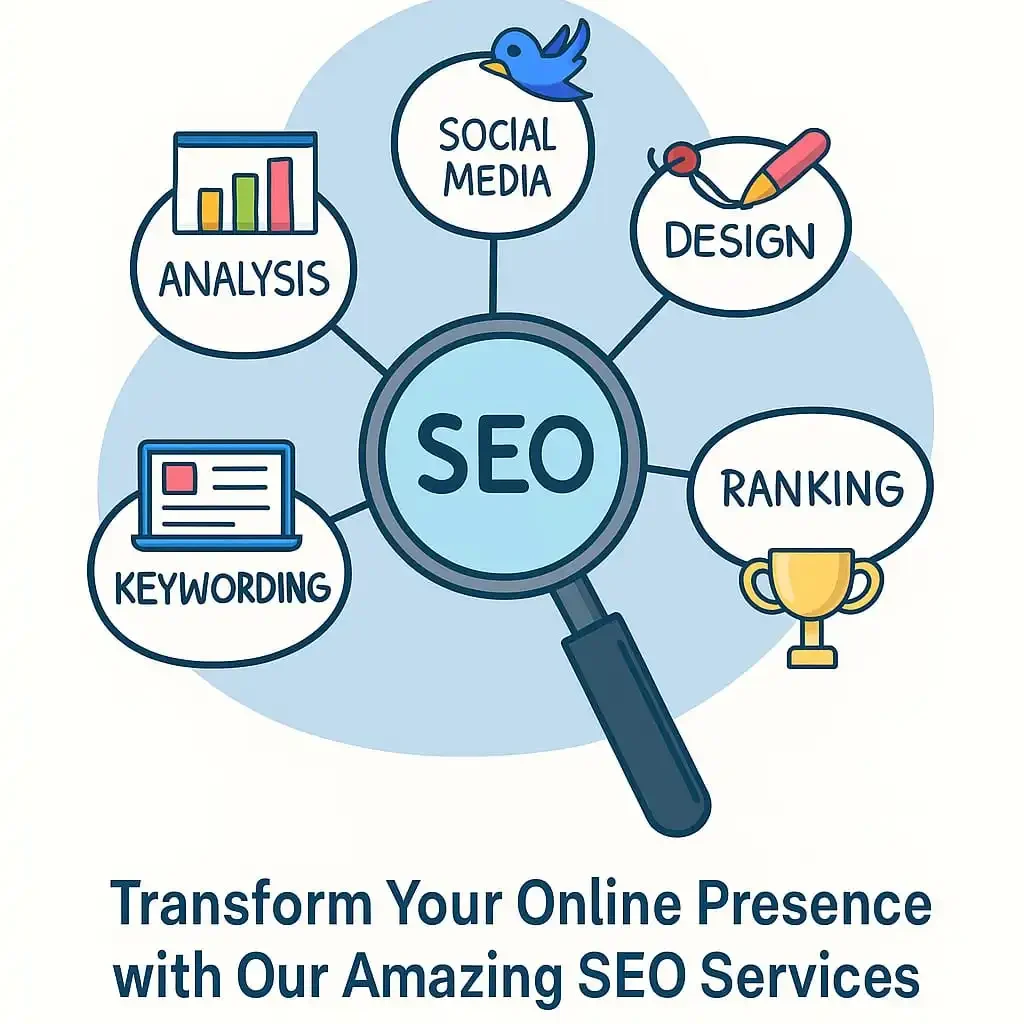
SEO Service: The Secret Strategy Agencies Never Reveal — Until You Pay Them

seo service

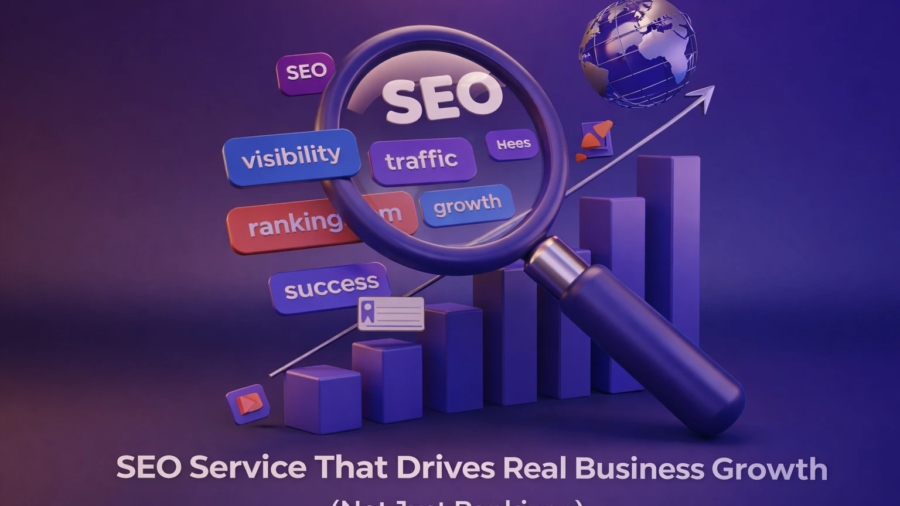
Service That Drives Real Business Growth (Not Just Rankings)

Most businesses don’t fail because their product is bad.
They fail because the right customers never find them.

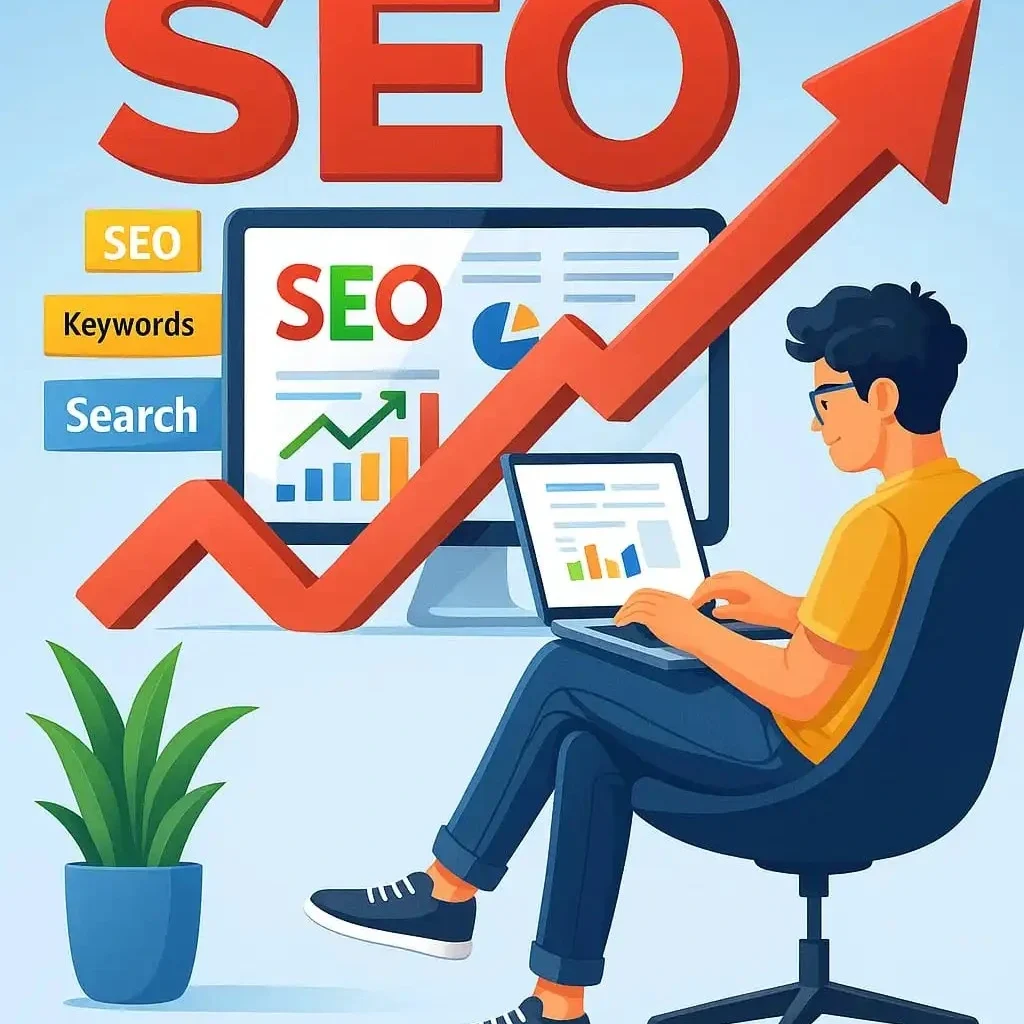
In today’s search-driven economy, visibility is not optional — it is foundational. A professional SEO service ensures your business appears exactly when potential customers are actively searching for your solution.

But modern SEO is no longer about chasing rankings or manipulating algorithms. It’s about building trust, relevance, and long-term authority in a competitive digital environment.

SEO isn’t about keywords — it’s about solving the right user problem better than anyone else.

An SEO service is not a one-time fix. It’s an ongoing system combining technical precision, content depth, user psychology, and data-driven decision-making.In this blog, we don’t do textbook definitions.
We do real, practical, research-backed insights.

seo service (1)

What Is an SEO Service (In Practical Terms)?

While a strong SEO service lays the foundation for search visibility, integrating it with a complete Digital Marketing strategy can help businesses capture leads, engage users, and convert traffic into real customers.

An SEO service is a systematic process that improves your website’s visibility on search engines by aligning:

  • User intent
  • Search engine logic
  • Technical performance
  • High-quality content
  • Authority signals

The goal is simple:
Attract qualified traffic that converts into real business outcomes.

Businesses that integrate their SEO efforts with Meta Ads campaigns on platforms like Facebook and Instagram can accelerate traffic acquisition and achieve measurable ROI.”

A professional SEO service does not rely on shortcuts. It focuses on sustainable growth through structured optimization and continuous improvement.ing — it’s about becoming the most reliable answer for your audience.

Search behaviour has changed dramatically.

  • Users research extensively before making decisions
  • Paid ads are becoming more expensive every year
  • AI summaries are reducing visibility for low-quality content
  • Google prioritizes experience, expertise, and trust

Despite these changes, one fact remains constant:

High-quality organic results still drive the majority of valuable clicks.

Businesses that invest in SEO today build a competitive advantage that compounds over time. Those that ignore it lose visibility, credibility, and market share.


How a Professional SEO Service Works

1. Website & SEO Audit

Every successful SEO campaign starts with a detailed audit. This identifies:

  • Technical issues affecting crawlability and indexing
  • Page speed and Core Web Vitals performance
  • On-page optimization gaps
  • Content quality and relevance
  • Backlink profile health
  • Competitor positioning

Without a proper audit, SEO decisions are based on assumptions — not data.


2. Keyword & Search Intent Research

Effective keyword research goes beyond search volume.

A professional SEO service analyzes:

  • What users are actually looking for
  • Why they are searching
  • How competitive the intent is
  • Where they are in the buying journey

This ensures content is created for real users, not just search engines.


3. On-Page SEO Optimization

On-page SEO connects content clarity with search relevance.

This includes:

  • SEO-optimized titles and headings
  • Semantic content structure
  • Internal linking strategy
  • Clear information hierarchy
  • Improved user experience
  • Mobile-friendly formatting

Well-optimized pages perform better because they are easier to understand — for both users and search engines.


4. Technical SEO Optimization

Technical SEO ensures your website performs efficiently behind the scenes.

Key areas include:

  • Mobile responsiveness
  • Core Web Vitals optimization
  • Sitemap and robots.txt configuration
  • Canonical tags
  • Schema markup
  • Crawl budget optimization

Strong technical foundations allow your content to compete effectively in search results.


5. Content & Authority Building

Content is the core of every successful SEO strategy — but only when it delivers value.

High-performing SEO content:

  • Addresses specific user problems
  • Demonstrates real expertise
  • Is well-structured and easy to navigate
  • Is updated regularly
  • Builds topical authority

Authority is further strengthened through:

  • Natural backlinks
  • Brand mentions
  • Digital PR
  • Trust-based citations

Backlinks are not purchased — they are earned through credibility.


6. Monitoring, Reporting & Continuous Optimization

SEO is not a one-time task. It is an ongoing process.

A professional SEO service tracks:

  • Keyword performance
  • Organic traffic growth
  • User engagement patterns
  • Conversion behaviour
  • Content performance

Data is then used to refine strategy, update content, and improve results over time.


What Makes a Reliable SEO Service?

A high-quality SEO service is defined by:

  • Transparent strategy and reporting
  • Data-driven decision making
  • Ethical, white-hat practices
  • Content-first execution
  • Long-term growth focus

SEO is an investment that compounds — shortcuts may show temporary gains but often cause long-term damage.

seo services

Common Red Flags to Avoid

Be cautious of SEO providers that promise:

  • Guaranteed #1 rankings
  • Instant results
  • Bulk backlinks
  • No technical improvements
  • Extremely low pricing

These practices often lead to penalties, traffic drops, or wasted budgets.


The Future of SEO Services

SEO is evolving, not disappearing.

Key trends shaping the future:

  • AI-enhanced search results
  • Entity-based rankings
  • Increased importance of UX
  • Trust and expertise-driven content
  • Zero-click search optimization

Businesses that adapt early will dominate visibility in the coming years.


Final Thoughts

A professional SEO service is not about manipulating algorithms.
It’s about earning visibility by being genuinely useful, trustworthy, and relevant.

When done correctly, SEO becomes a long-term growth engine that:

  • Builds consistent traffic
  • Strengthens brand authority
  • Improves conversion quality
  • Reduces dependency on paid ads

If your goal is sustainable digital growth, SEO is not optional — it is essential.

digital marketing

Digital Marketing: The Skill Everyone Needs in Today’s World

digital marketing

In today’s digital world, a single scroll or search can completely change someone’s decision. Whether you are a student exploring career options, a business owner trying to grow, a content creator building influence, or simply someone navigating the online world, digital marketing is no longer optional—it’s essential.

Every time you check reviews on Amazon, follow a brand on Instagram, search for “best headphones under 500,” or watch a YouTube tutorial, you are interacting with digital marketing. Understanding how it works gives you insights into modern branding, communication, and growth strategies.


What Is Digital Marketing?

Digital marketing is the art and science of using data, technology, and content to influence customer decisions throughout their buying journey. Its scope includes:

  • Search engines (Google, Bing)
  • Social media (Instagram, LinkedIn, Twitter/X, YouTube)
  • Email campaigns
  • Websites and blogs
  • Paid advertising (Google Ads, Meta Ads)
  • Influencer marketing
  • AI-powered personalization
  • Customer analytics and insights

Digital marketing begins before a customer even visits your website—it starts when they recognize a problem your product or service solves.


Traditional Marketing vs Digital Marketing

A common misconception: “Digital marketing replaced traditional marketing.” Not true. Digital marketing didn’t replace anything—it evolved marketing into a more targeted, measurable, and interactive system.

FeatureTraditional MarketingDigital Marketing
MediumTV, Radio, Print, OutdoorSEO, Social Media, Email, PPC
ReachBroadHighly targeted
CostHighFlexible (low to high)
TrackingLimitedReal-time & precise
EngagementOne-wayTwo-way, interactive
SpeedSlowInstant
OptimizationMinimalContinuous

Example: A Delhi-based organic tea startup could spend thousands on newspaper ads with limited reach. Using Instagram Reels, Google Ads, and influencer partnerships, they can reach thousands of targeted customers and track ROI in real time.


How Digital Marketing Works: The 5-Step Growth System

Every effective digital marketing strategy follows a measurable system:

1. Awareness

The first step is making your audience aware of your brand:

  • SEO (blog posts, product pages)
  • Social media posts & reels
  • YouTube videos
  • Paid ads
  • Influencer mentions

Example: A Mumbai-based handmade jewelry store can reach local and global buyers through Instagram Reels and Pinterest posts.


2. Engagement

Once aware, people interact with your content:

  • Comments, likes, shares
  • Saves and bookmarks
  • Website visits
  • Micro-actions (polls, quizzes, newsletter sign-ups)

Pro tip: Engagement builds trust—without it, conversion is unlikely.


3. Conversion

Here, a user becomes a lead or paying customer:

  • Product purchase
  • Form submission
  • Booking an appointment

Example: A Jaipur coaching institute runs Instagram ads to generate leads, such as free webinar registrations or enquiry forms.


4. Retention

Most brands ignore this stage, but retention is crucial:

Retention = 3x–7x higher ROI than acquisition

Retention strategies:

  • Email marketing and newsletters
  • Remarketing campaigns
  • Loyalty programs
  • Community building (WhatsApp/Telegram groups)

Example: Zomato or Swiggy sends push notifications, offers, and discounts to encourage repeat orders.


5. Expansion

Turn one satisfied customer into multiple revenue opportunities:

  • Upsells and cross-sells
  • Referrals
  • Repeat purchases
  • Membership renewals

Growth loop: This process creates a self-sustaining revenue cycle.

Why Digital Marketing Has Become a Core Growth Skill in India

India didn’t adopt digital marketing because it was trendy — it adopted it because consumer behaviour forced it.

Today, an Indian buyer doesn’t walk into a shop or trust an ad blindly. They search, compare, read reviews, watch reels, and validate opinions before spending even ₹500. Decisions are made before the first conversation with a brand.

This shift turned digital marketing into a business survival skill.

A small brand ranking on Google or trending on Instagram can outsell a bigger competitor with a higher budget. Students, startups, local businesses, and creators all compete on the same digital screen — visibility decides winners.

In India’s price-sensitive, mobile-first market, growth belongs to those who understand how attention converts into trust, and trust into action.

That’s why digital marketing isn’t optional anymore — it’s foundational.

Want to generate more leads through social media? Check out our expert tips on How to run successful Meta Ads to get the best results.


Conclusion

Digital marketing is no longer just a business tool—it’s a critical skill for everyone. Mastering it allows you to:

  • Understand modern customer behavior
  • Accelerate your business or personal brand
  • Achieve smart, measurable growth

Start learning digital marketing today—because every scroll and search shapes decisions and defines opportunities.